Parasite Control 101: Identifying Common Vermin and Their Effective Treatments
Pest control is a basic element of keeping a healthy living atmosphere. Common parasites like ants, rats, and different insects can posture considerable obstacles. Comprehending their habits and indicators of problem is vital for efficient monitoring. While chemical options exist, there are also all-natural alternatives worth thinking about. As one explores the nuances of parasite identification and therapy alternatives, the significance of avoidance approaches becomes significantly obvious. What methods can genuinely maintain bugs at bay?
Determining Ants: Kinds and Their Environments
Ants, tiny yet formidable bugs, are a varied team that can be found in different environments across the globe. There are over 12,000 recognized species, each exhibiting special behaviors and adaptations. Typical types include the black yard ant, which grows in temperate areas, and the fire ant, recognized for its uncomfortable sting, widespread in warmer regions. Carpenter ants like damp wood, making them a worry for house owners, while odorous house ants are drawn in to human food resources.
Ants construct elaborate nests, commonly below ground, in timber, or within frameworks. Their environments vary from forests to city setups, showcasing their adaptability. Many types are social, staying in colonies that can differ in size from a couple of lots to millions. Identifying the kind of ant is essential for reliable bug monitoring, as each varieties has various nesting habits and foraging behaviors that influence control approaches. Recognizing their environments help in avoidance and treatment efforts.
Recognizing Rats: Indications of Invasion
Rodents, like ants, can position substantial challenges for services and homeowners alike. Identifying signs of a problem is important for efficient bug control. Typical indications consist of droppings, which are usually discovered near food sources or nesting areas; little, dark pellets that can be mistaken for seeds. Eaten cables, furnishings, or product packaging might likewise signify a rodent presence, as they continually chomp to maintain their teeth workable. Furthermore, property owners might observe gnaw marks on baseboards or wall surfaces. Unpleasant smells, stemming from urine and droppings, can suggest a larger trouble. Scratching or scurrying noises, particularly during the night, are one more warning indication of rodents. The presence of nests, commonly made up of shredded products like paper or fabric, can verify an infestation. Addressing these indications promptly can assist reduce damages and protect against the spread of conditions associated with rats.
Usual Insect Vermin: From Aphids to Termites
Bugs stand for a varied team of parasites that can inflict havoc in gardens and homes, with species varying from small aphids to harmful termites. Aphids are small, sap-sucking pests that can quickly infest plants, resulting in stunted growth and distortion. They usually bring in ants, which protect them from natural predators. On the other end of the spectrum, termites are notorious for triggering considerable architectural damages to wooden frameworks. They eat cellulose located in wood, endangering the stability of structures and homes. Various other usual pest pests consist of roaches, which grow in unsanitary conditions, and bedbugs, known for their attacks and difficulty in removal. Flies, specifically houseflies, can pollute food and transfer illness, while insects present health and wellness dangers via their attacks. Efficient insect monitoring begins with determining these bugs and recognizing their habits, which is crucial for securing and stopping invasions both property and health.
Reliable Treatments: Chemical and Natural Solutions
While homeowners usually seek prompt relief from parasite infestations, picking the best therapy-- whether chemical or natural-- needs cautious factor to consider of effectiveness and security. Chemical solutions, such as insecticides and chemicals, can give rapid outcomes yet typically lug risks, including possible harm to ecological issues and non-target varieties. Property owners must check out tags, follow application guidelines, and take into consideration the timing of treatments to lessen risks.
Alternatively, natural options, such as diatomaceous earth, necessary oils, or homemade traps, interest those looking for green options. Although they might take longer to show results, many all-natural therapies are more secure for houses with animals and youngsters - Pest Control Homestead. Integrated bug administration, which integrates both chemical and all-natural methods, can also be efficient. Ultimately, the option between these treatment types should line up with the Pest Control Homestead extent of the invasion, individual values relating to security, and the particular pest being targeted
Prevention Techniques: Maintaining Your Home Pest-Free
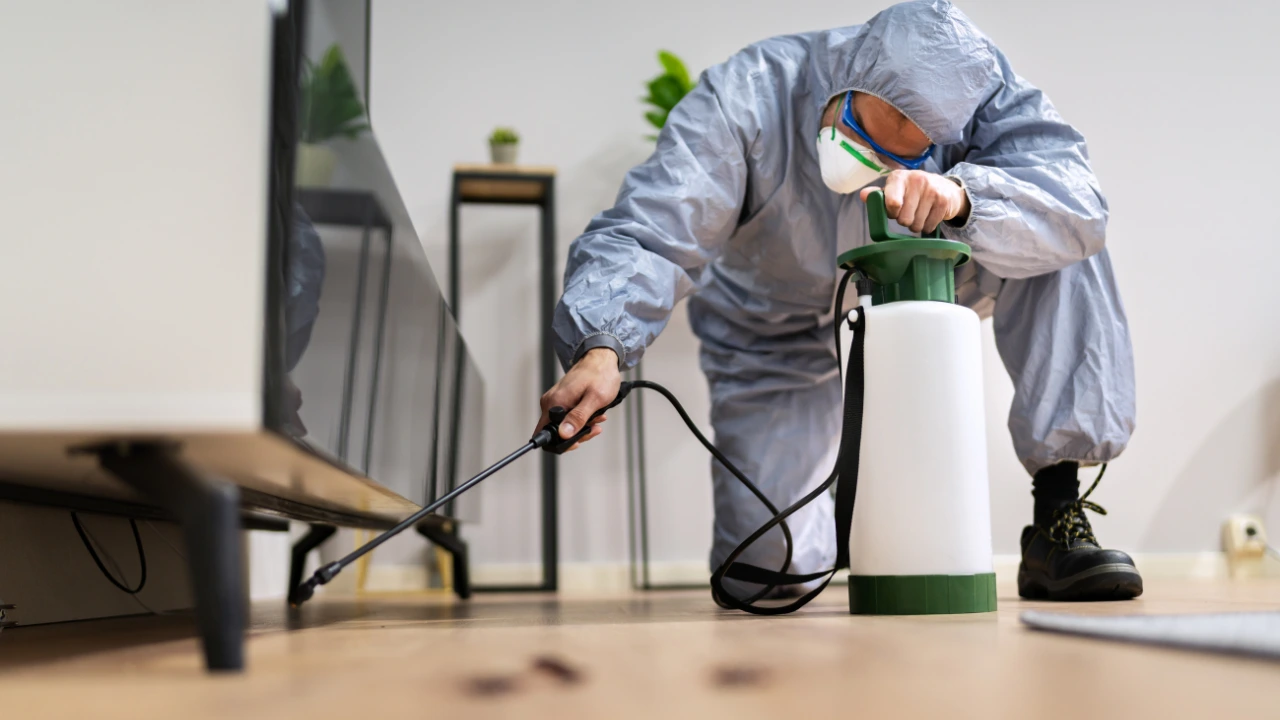
Additionally, correct landscaping can hinder parasites; maintaining shrubs trimmed and removing particles from the lawn lessens concealing locations. Home owners ought to likewise think about moisture control, as several insects prosper in damp problems. Fixing leaks and making sure proper water drainage can reduce this danger. Employing all-natural deterrents, such as important oils or diatomaceous planet, can produce an unfavorable atmosphere for parasites. By executing these techniques, individuals can produce a pest-free home and lower the likelihood of future invasions.
Frequently Asked Concerns
Just how Do I Know if I Have a Pest Trouble?
Indicators of an insect issue include droppings, gnaw marks, nests, or uncommon sounds. Observing damaged food or building, as well as unusual bites or rashes, may likewise indicate the presence of insects in the atmosphere.
Exist Any Type Of Seasonal Pest Trends to Be Familiar with?

Can Indoor Plants Draw In Bugs?
Indoor plants can indeed attract insects, as they offer an ideal environment for insects like aphids and crawler termites. Pest Control Homestead. Appropriate care and normal evaluation are vital to prevent problems and keep plant health and wellness
What Are the Wellness Dangers Connected With Bug Infestations?
Parasite infestations position different wellness dangers, including allergic reactions, respiratory system issues, and the spread of illness. Exposure to parasites like rodents and bugs can lead to infections, bites, and contamination of food and living atmospheres.
Just how Typically Should I Check My Home for Pests?
Routine evaluations should take place a minimum of when every season, ensuring any kind of signs of bug task are found early. Homeowners may adjust frequency based upon their details setting and previous pest problems. Uniformity is essential.
Common pests like ants, rats, and different bugs can pose considerable challenges. Recognizing the type of ant is important for effective pest administration, as each varieties has various nesting routines and foraging behaviors that affect control methods. While homeowners often look for immediate alleviation from pest infestations, picking the appropriate treatment-- whether chemical or natural-- calls for cautious consideration of efficiency and security. Effective parasite control prolongs beyond prompt treatments; it additionally involves aggressive procedures to avoid infestations prior to they begin. Seasonal parasite patterns often include boosted rodent task in fall as they look for heat, while springtime commonly brings an influx of ants and termites.